Services · Engineering services
CM4 / CM5 Carrier Board Design
Compute Modules can shorten Linux product development, but a commercial device still depends on its carrier board, power tree, high-speed interfaces, wireless architecture, enclosure and software integration.
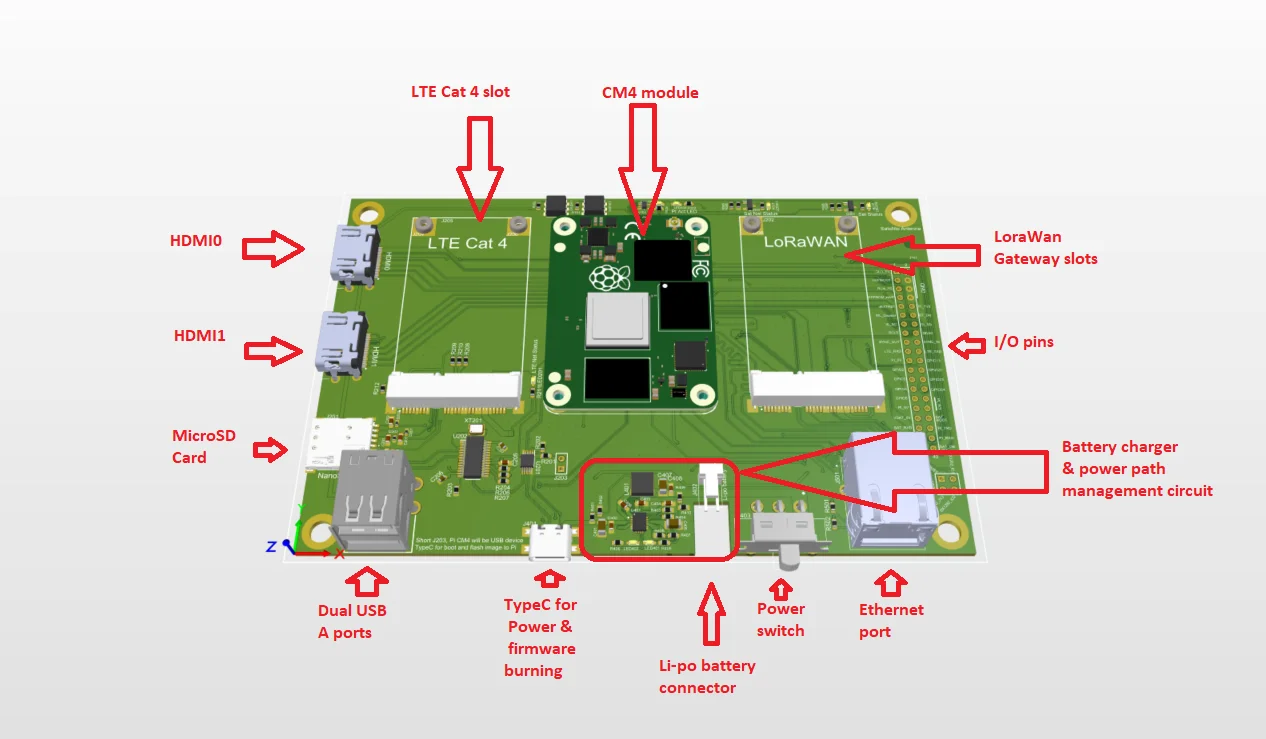
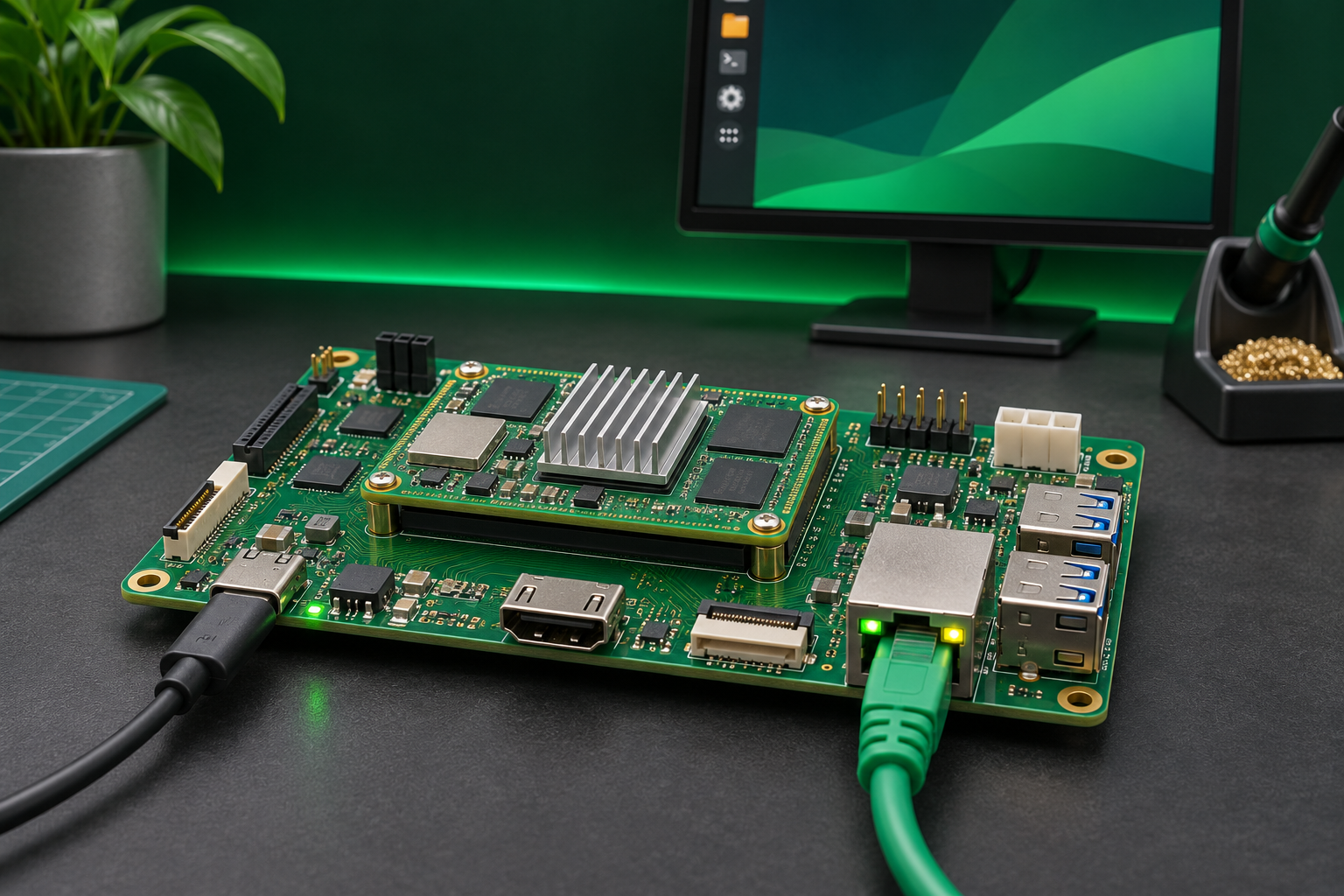
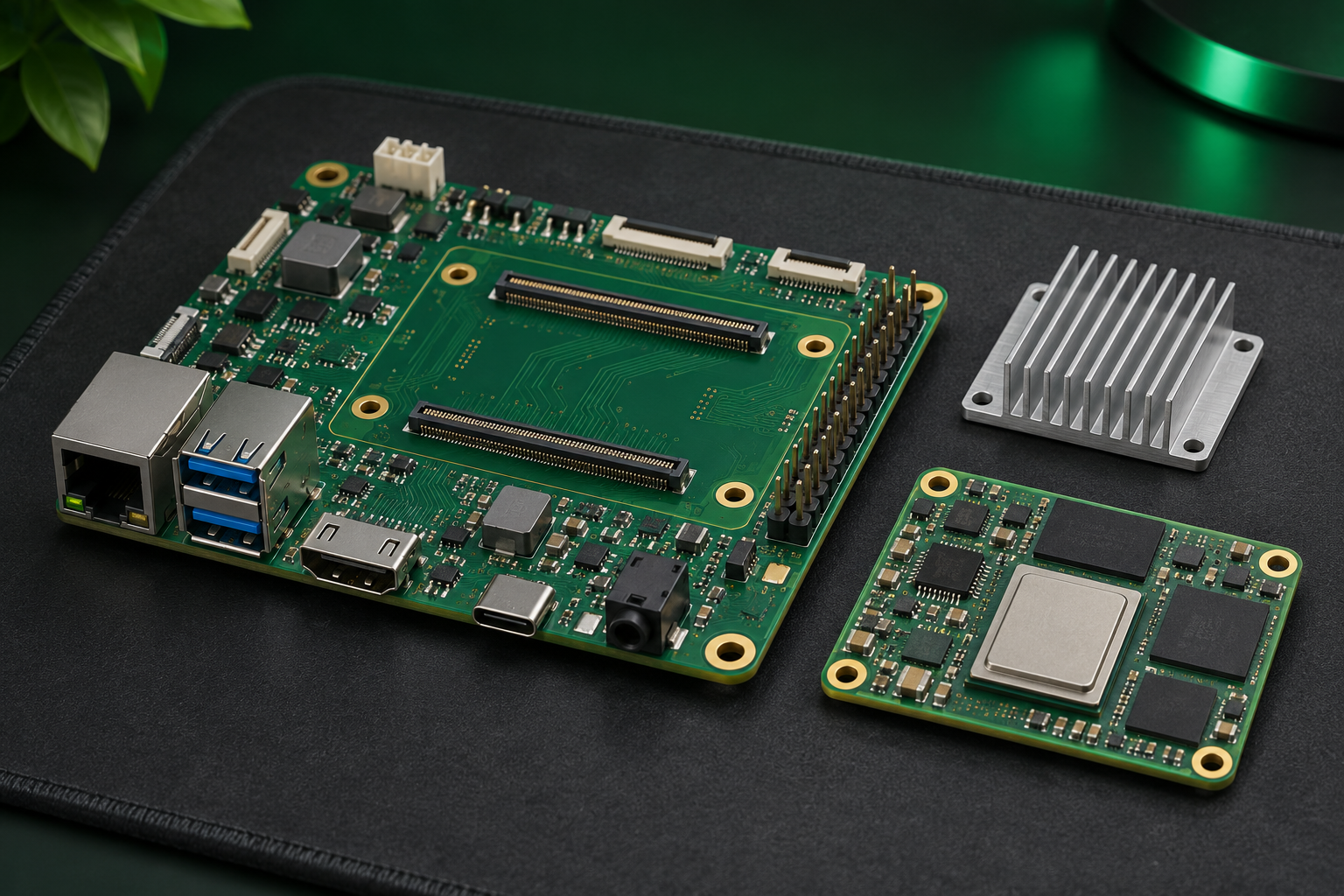
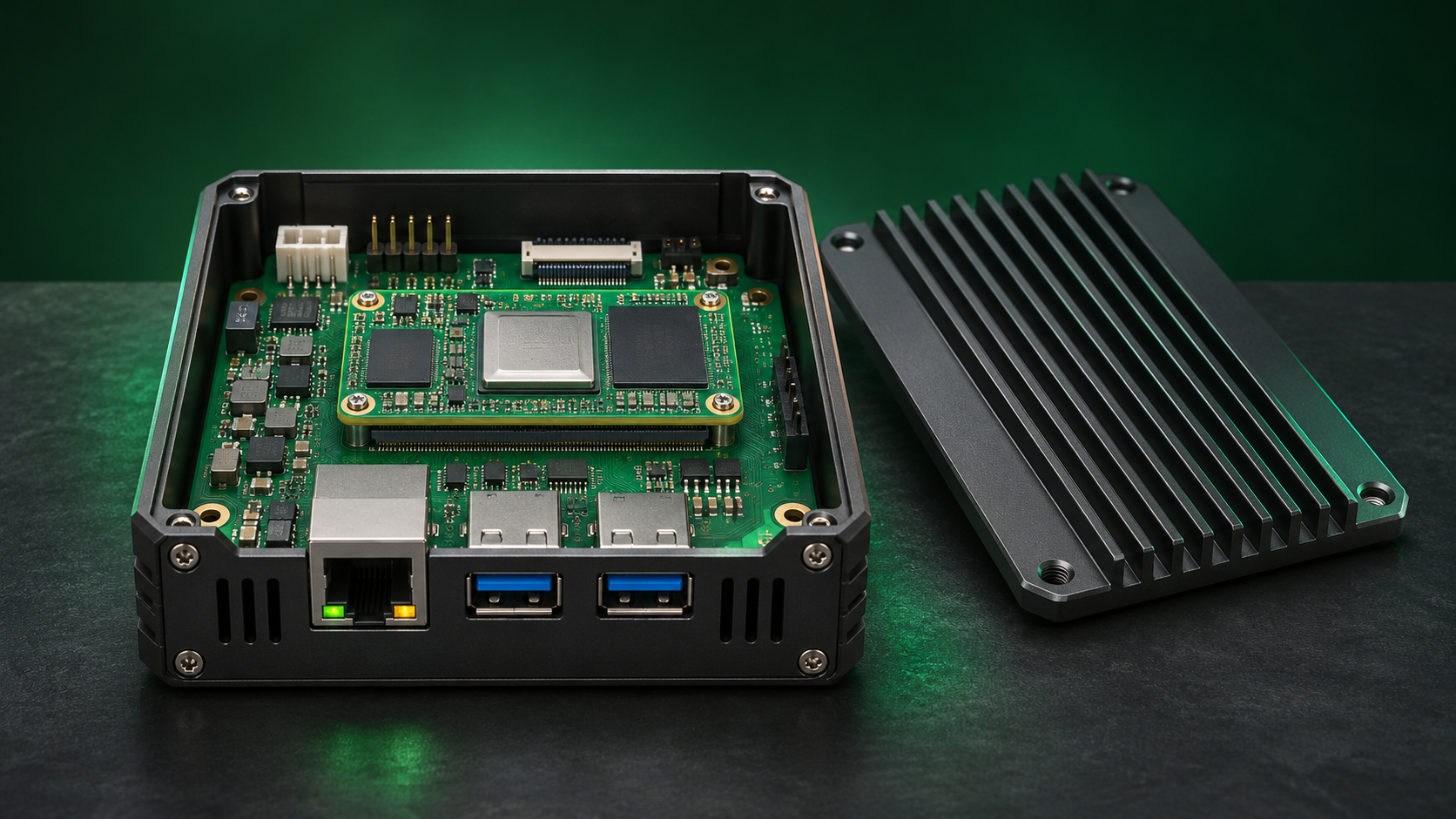
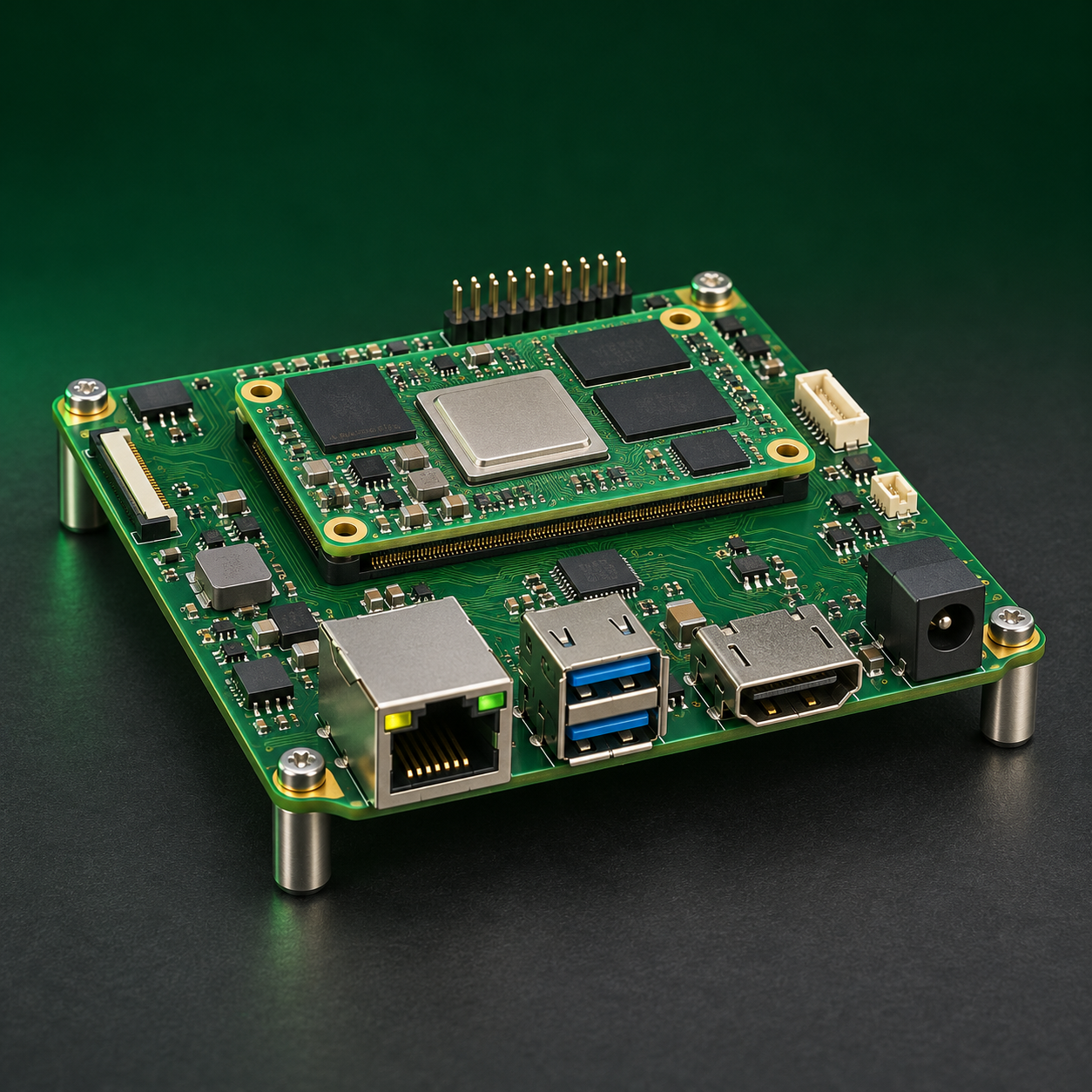
Image 1 / 5
Common problems
The problem to solve.
An evaluation board can validate a software concept without meeting the product’s size, I/O, power, wireless, environmental or manufacturing requirements. A custom carrier preserves the required flexibility while removing prototype-only features and associated costs.
Bambootronics develops CM4/CM5 carrier boards around the application, operating environment and target cost. The design coordinates interfaces, power, storage, wireless connectivity and thermal requirements with enclosure and software integration. Deliverables cover hardware design, prototype bring-up, BSP/device tree configuration and production preparation within the agreed scope.
Core capabilities
What the engineering team does.
- 01
Custom carrier architecture
CM4/CM5 baseboard design with application-specific connector layouts
- 02
Data, storage and multimedia
Integration of Gigabit Ethernet, USB, PCIe/NVMe, HDMI, MIPI and audio according to the selected architecture
- 03
Wireless connectivity
Integration of LTE/5G, GNSS, Wi-Fi, Bluetooth, LoRaWAN and external antennas as required
- 04
Power management
DC input, backup Li-Po battery, charging, protection and power sequencing
- 05
Embedded Linux integration
Device tree configuration, peripheral bring-up and production image preparation
What you get
- System block diagram and interface specifications
- Schematics, PCB layout, BOM and manufacturing files
- Prototypes with hardware bring-up reports
- BSP/device tree configuration and peripheral test package
- DFM review, test strategy and manufacturing handover documentation
Information
- Module
- Raspberry Pi CM4 / CM5
- Software
- Embedded Linux, device tree configuration and production images
Delivery process
Next steps.
- 1
Clarify the application, operating environment, target cost and acceptance criteria
- 2
Define the system architecture, interfaces, component strategy and risks
- 3
Develop detailed designs with cross-disciplinary reviews
- 4
Build prototypes and verify performance, reliability and certification readiness
- 5
Optimize design for manufacturing and testing (DFM/DFT), run pilot builds and hand over a controlled manufacturing package
Before you start
Frequently asked questions.
Right for your project?
Send a few lines about your application and quantity. Bambootronics replies with clarifying questions and a suitable configuration direction.
Related